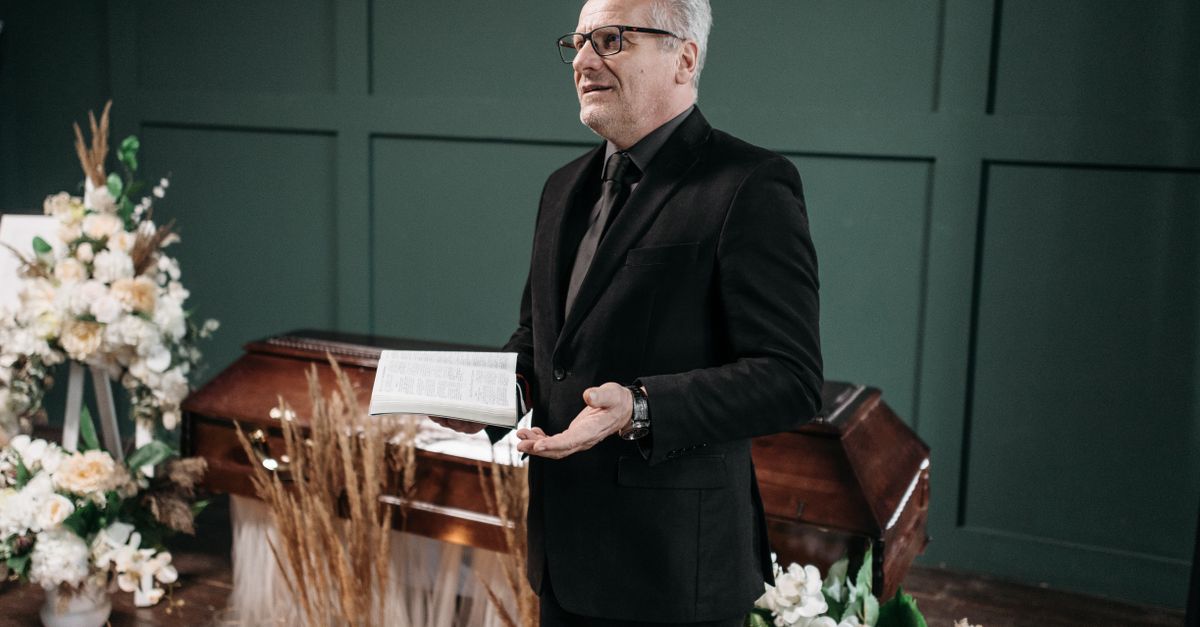
The Impact of Burial Services on the Grieving Process
Table Of Contents
Cultural Perspectives on Burial Practices
Burial practices are deeply rooted in cultural traditions and beliefs, reflecting the values and customs of various societies. In many Indigenous cultures, for example, the connection to land and ancestors plays a vital role in the burial process. Rituals may involve ceremonial rites, storytelling, and specific burial techniques that honour the deceased and their place within the community. Such practices not only serve to honour the dead but also reinforce the collective identity of the living.
In contrast, Western societies often feature individualistic approaches to burial, where personalisation of the service is valued. Funerals can vary significantly based on family preferences and may include elements such as unique themes, music selections, or specific religious ceremonies. These variations illustrate the diversity of cultural practices surrounding death, underscoring how beliefs about life, death, and the afterlife can shape the way people say goodbye to their loved ones. Each cultural perspective provides insight into how societies cope with loss and celebrate the lives of those who have passed.
Diverse Traditions and Their Significance
Around the world, various cultures exhibit unique burial traditions, each reflecting their beliefs, values, and relationship with death. For instance, in some Indigenous Australian communities, traditional practices include elaborate ceremonies that honour the deceased, highlighting a deep connection to country and ancestry. In contrast, many Western cultures might lean towards more subdued or secular services, focusing on personal tributes and shared memories. Despite the differences, these practices serve a common purpose: to provide a framework for mourning and a means to celebrate life.
The significance of these traditions lies in their ability to foster a sense of community during times of grief. When families and friends come together to participate in rituals, they often find solace in shared experiences and collective remembrance. These customs can create a supportive environment where individuals feel encouraged to express their emotions, commemorate loved ones, and begin the healing process. The rituals often reinforce cultural identity, providing a familiar context for navigating the complex feelings that accompany loss.
The Financial Aspect of Burial Services
Burial services often represent a significant financial commitment for families. Costs can vary greatly depending on various factors such as location, type of service chosen, and additional elements like caskets or memorial products. Many families may find themselves grappling with unexpected expenses during an already challenging time. Planning and discussing financial options ahead of time can alleviate some stress and allow for more meaningful decisions regarding arrangements.
Budgeting for a farewell is essential to ensure that families do not exceed their means. While it may be tempting to opt for lavish expenditures, simpler services can still provide a respectful and heartfelt farewell. Exploring available packages and considering local services may help in finding a balance between honouring the deceased and managing costs effectively. Making informed choices can ensure that the focus remains on commemorating life rather than navigating financial strain.
Budgeting for a Meaningful Farewell
Planning a funeral involves a significant financial commitment. Families often face the challenge of balancing emotional needs with practical considerations. Costs can escalate quickly due to various factors, including the choice of casket, venue, and memorial services. Transparent pricing from funeral providers is crucial, as it allows families to make informed decisions while adhering to their budgets. Many providers also offer price lists and packages, which can simplify the process and help in comparing options effectively.
Creating a budget for a farewell requires careful thought and prioritisation. Families should take time to discuss what elements of the service hold the most meaning, whether that be a large gathering, personalised tributes, or specific cultural rituals. Understanding the financial implications of these choices is essential. There may be resources available, such as government assistance or funeral funds, that can ease the burden. Engaging in open conversations about finance and expectations can lead to a service that honours the deceased while also considering the family's financial health.
Emotional Aftermath and Support Resources
The period following the loss of a loved one can be overwhelming and complex. Grieving individuals may find themselves experiencing a range of emotions, from deep sadness and loneliness to anger and confusion. It is essential for those navigating this journey to acknowledge their feelings and understand that the grieving process is unique for everyone. Support from family and friends can provide comfort, but professional assistance may be necessary for some to process their emotions effectively and manage daily tasks.
Various resources are available to aid individuals during this challenging time. Bereavement counselling is one such option, offering a safe space to explore feelings and heal. Support groups also play a critical role, allowing individuals to connect with others who share similar experiences. Additionally, community services can provide practical assistance, from meal deliveries to emotional support, helping the bereaved to cope with the immediate aftermath of loss while fostering a sense of community and understanding.
Seeking Professional Help After Loss
Grief can be an isolating experience, often leaving individuals feeling overwhelmed and unsure of how to cope. Professional support can provide a vital lifeline during such challenging times. Counselors and therapists trained in grief management can help mourners articulate their feelings and develop strategies for navigating the emotional landscape of loss. They offer a safe space to express pain, anger, and confusion without judgment, fostering an environment for healing.
Support groups also play an essential role in the grieving journey. Sharing experiences with others who have faced similar losses can alleviate the sense of isolation. Group settings allow individuals to find comfort in communal understanding while also learning coping mechanisms through the insights of peers. Connecting with others can be empowering, transforming grief from a solitary struggle into a shared experience of resilience and hope.
FAQS
How do different cultures influence burial practices?
Different cultures have unique traditions and beliefs surrounding burial practices, which can significantly impact the grieving process. These practices often reflect cultural values, religious beliefs, and historical contexts, providing a sense of closure and connection to the deceased.
What are some common financial considerations when planning a burial service?
Budgeting for a burial service can involve various expenses, including burial plots, caskets, service fees, and additional costs such as flowers and memorial items. It's essential to outline a clear budget and discuss options with funeral service providers to ensure a meaningful farewell within one's financial means.
How can burial services affect the emotional wellbeing of the bereaved?
Burial services often provide a structured way for individuals to express their grief, honour their loved ones, and find support from family and friends. This process can be crucial for emotional healing, as it allows for reflection and the creation of lasting memories.
What types of support resources are available for those grieving after a burial service?
After a burial service, individuals may benefit from various support resources, including grief counselling, support groups, and online forums. These resources can provide a safe space for sharing feelings and experiences, helping individuals navigate their grief journey.
When should I consider seeking professional help after the loss of a loved one?
If feelings of grief become overwhelming, persist for an extended period, or interfere with daily life, it may be beneficial to seek professional help. Grief counsellors and therapists can provide tailored support and coping strategies to help manage the emotional aftermath of loss.
Related Links
Comparing Burial Services: Costs and FeaturesEco-Conscious Choices in Traditional Burial Practices
How to Plan a Meaningful Burial Service in Sydney
Personalising Your Burial Service: Options and Ideas
Legal Requirements for Burial Services in New South Wales
Choosing the Right Burial Site: A Guide for Families
Cultural Considerations for Burial Services in Sydney
The Role of Funeral Directors in Arranging Burial Services