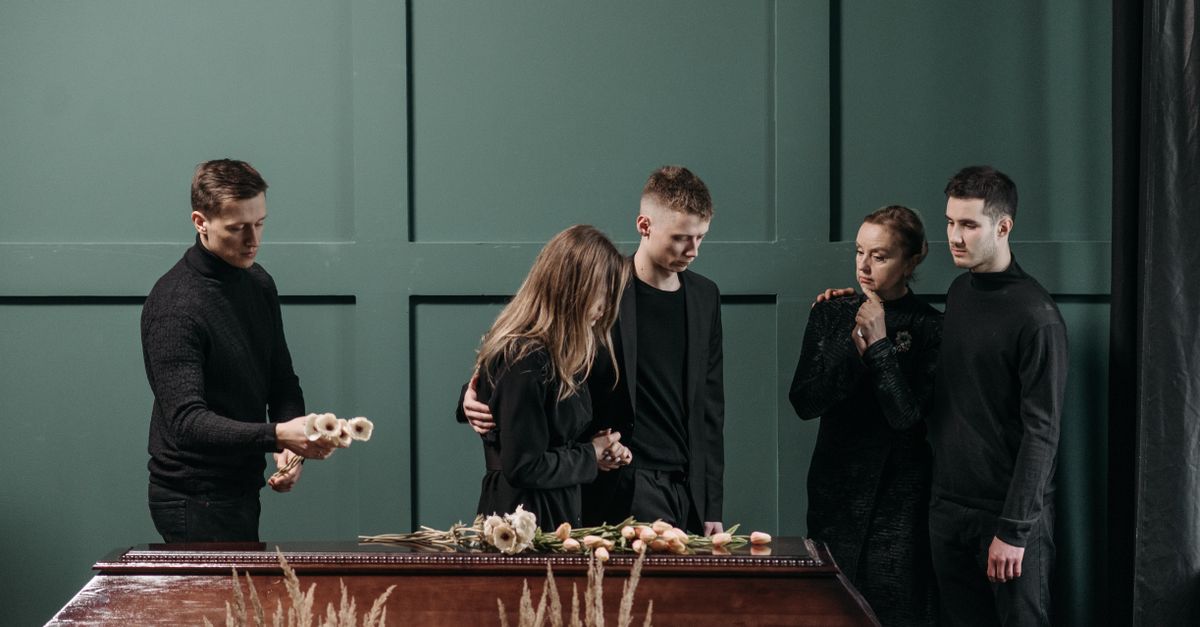
Key Advantages of Engaging a Funeral Director for Pre-Planning
Table Of Contents
Simplifying Logistics and Coordination
Pre-planning a funeral involves numerous details that can be overwhelming for families during a difficult time. A funeral director takes on the responsibility of coordinating all aspects of the event, allowing loved ones to focus on their grief and remembrance. They can manage the logistics of transportation, venue selection and paperwork, ensuring everything runs smoothly from start to finish. This professional oversight helps reduce the stress often associated with arranging a funeral, providing families with peace of mind.
In addition to managing details, funeral directors are skilled in navigating the complexities of the funeral industry. They understand local regulations and requirements, making sure that all legal aspects are adhered to. Their experience allows them to efficiently organise necessary permits, certificates and approvals, which often form a confusing maze for families. By shouldering these responsibilities, funeral directors not only simplify the process but also allow families to honour their loved ones without added burdens.
Arranging Essential Services
Funeral directors possess the expertise necessary to organise all essential services involved in the planning process. They manage everything from transportation of the deceased to securing permits and handling necessary paperwork. This can significantly reduce the stress on families during a challenging time. Their familiarity with local regulations ensures that every detail is addressed efficiently.
Additionally, they facilitate arrangements for memorial services, catering, and floral services, tailoring everything to meet the family's wishes. By overseeing these elements, funeral directors allow family members to focus on what truly matters: honouring their loved one and supporting each other through grief. Having a professional in charge helps streamline what can otherwise be an overwhelming array of decisions.
Access to Resources and Networks
Funeral directors possess extensive resources and networks beneficial for families during a challenging time. They have established relationships with various service providers, including cemeteries, florists, and caterers. This array of contacts can facilitate arrangements that might otherwise take considerable time and effort to coordinate independently. Additionally, their knowledge of local regulations ensures all aspects of the service comply with legal requirements, reducing stress for grieving families.
Utilising these connections can lead to more personalised and efficient service options. Funeral directors are well-versed in what local providers offer and can recommend those who align with a family’s specific needs and preferences. Their access to specialised services, such as grief counselling or memorialisation options, also helps families create a meaningful farewell, tailored to honour their loved one appropriately.
Collaborating with Local Providers
Engaging a funeral director can significantly enhance the process of working with local service providers. These professionals possess established relationships with a range of suppliers, including florists, catering companies, and venues. Their familiarity can facilitate smoother communication and negotiations, ensuring that families receive quality services tailored to their needs. This coordination not only alleviates stress but also enhances the overall experience for grieving families.
By collaborating with local providers, funeral directors can help families access specialised services that may not be readily available elsewhere. They can recommend reputable providers who align with the family’s preferences and cultural requirements. Such connections are invaluable in crafting a personalised farewell that honours the deceased while considering logistical needs. This level of support ensures that families can focus on their emotional well-being during a challenging time.
Helping to Preserve Family Traditions
Engaging a funeral director during the pre-planning process can play a crucial role in maintaining and honouring family traditions. Many families have unique customs or rituals that have been passed down through generations. A knowledgeable funeral director is familiar with various cultural practices and can provide guidance on how to incorporate these traditions into the service. This adds a personal touch that reflects the values and history of the family, ensuring that loved ones are commemorated in a meaningful way.
By working closely with the family, funeral directors can assist in integrating specific rituals such as prayers, music selections, or ceremonial elements. They can also help facilitate discussions among family members about their wishes and expectations. This collaborative approach not only fosters a sense of unity but also helps in creating a farewell that resonates deeply with all who attend. Ultimately, the involvement of a funeral director ensures that family customs are respected and preserved, providing comfort during a difficult time.
Incorporating Cultural Practices
Families often have specific cultural practices that shape their mourning rituals and funeral services. Engaging a funeral director who understands these traditions ensures that the arrangements reflect the family's values and beliefs. They can provide guidance on how to incorporate significant elements such as music, prayers, or ceremonial attire, allowing families to honour their heritage during this sensitive time.
Additionally, funeral directors can facilitate connections with community leaders or cultural consultants who bring expertise in particular practices. This collaboration can enhance the overall experience, ensuring that customs are respected and the service is personalised. By respecting and integrating these practices, the funeral experience becomes more meaningful for family members and friends, reinforcing a sense of belonging and connection to their roots.
FAQS
What is the primary role of a funeral director in pre-planning?
The primary role of a funeral director in pre-planning is to help individuals and families make arrangements in advance, ensuring that their wishes are respected and that the process is smooth and organised.
How can a funeral director simplify logistics and coordination?
A funeral director simplifies logistics and coordination by managing all aspects of the funeral service, including transportation, venue arrangements, and necessary paperwork, allowing families to focus on their grieving process.
Why is it beneficial to access a funeral director's network of local providers?
Accessing a funeral director's network of local providers is beneficial because they have established relationships with reputable suppliers, ensuring quality service for flowers, catering, and other essential services at competitive prices.
How can funeral directors help preserve family traditions?
Funeral directors can help preserve family traditions by understanding cultural and religious practices, allowing them to incorporate these elements into the pre-planned funeral services to honour the deceased's heritage.
Is pre-planning a funeral with a director legally binding?
Pre-planning a funeral with a director is not legally binding, but it serves as a strong guideline for family members, ensuring that the wishes documented are followed as closely as possible when the time comes.
Related Links
Financial Benefits of Funeral Pre-Planning in SydneyUnderstanding the Importance of Pre-Planning Your Funeral in Sydney
Navigating Legal Requirements in Funeral Pre-Planning
How Early Pre-Planning Can Help Avoid Unexpected Costs
The Role of Pre-Planning in Ensuring Cultural Traditions are Honoured
How Pre-Planning Facilitates Family Communication About Death
Exploring Emotional Relief Through Funeral Pre-Planning
The Impact of Pre-Planning on Personalised Funeral Services
How Pre-Planning Eases the Burden on Your Loved Ones