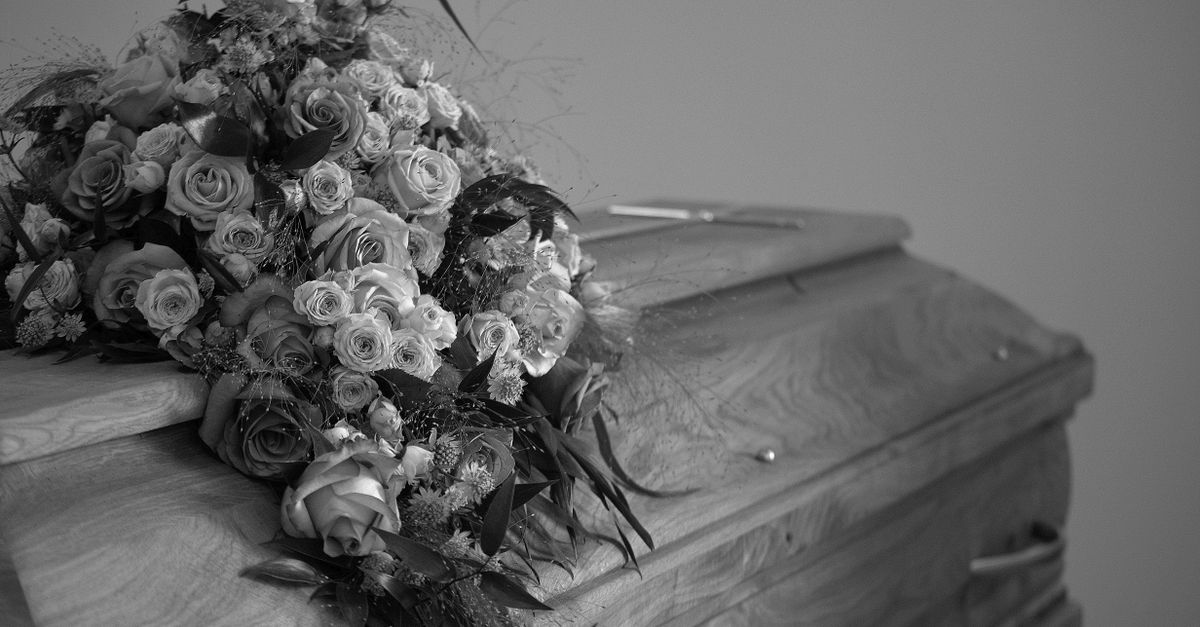
Cultural Perspectives on Grief: Workshops Exploring Diversity in Mourning
Table Of Contents
Cross-Cultural Perspectives on Death
Different cultures hold unique beliefs surrounding death, shaping their perceptions of mortality and the subsequent treatment of the deceased. For instance, many Indigenous Australian communities believe in a deep connection between the living and the spirit world, resulting in rituals that honour ancestors and acknowledge ongoing relationships with them. In contrast, societies that embrace Abrahamic faiths often view death as a transition to an afterlife, leading to practices that emphasise mourning as a crucial phase in honouring the deceased's legacy.
Beliefs surrounding the afterlife further influence rituals surrounding death. In many Eastern traditions, such as Hinduism and Buddhism, the concept of reincarnation plays a significant role, shaping how individuals approach grieving and remembrance. This contrasts sharply with secular viewpoints where death may be seen purely as a final end, prompting varied mourning behaviours. Understanding these diverse beliefs can enrich dialogues about grief, providing insight into how different cultures conceptualise loss and the significance of memorialising those who have passed.
Comparing Views of Life and Afterlife
Different cultures present a rich tapestry of beliefs around life and what follows after death. In many Eastern philosophies, such as Hinduism and Buddhism, the concept of reincarnation underscores a cyclical view of existence. Life is seen as part of a larger continuum, where actions in one life influence the next. Conversely, Western traditions, particularly within Christianity, often highlight a linear progression toward an eternal afterlife. The distinction influences how mourning is approached, with some communities finding solace in the idea of reunion with the deceased in another realm.
These varying perspectives shape rituals surrounding death and mourning. In some Indigenous cultures, for example, death may be viewed as a transition to another state of being, with the spirit of the deceased continuing to be an integral part of the community. This belief often fosters a communal approach to grieving, where collective remembrance and celebration of life takes precedence. Meanwhile, in cultures with more individualistic views of life and afterlife, mourning can become a more personal journey, reflecting a quest for closure and understanding in the wake of loss. Each viewpoint provides unique insights into how grief is processed and expressed across communities.
The Intersection of Grief and Community
Grief often unfolds within the context of community, profoundly shaping the mourning process for individuals. In many cultures, communal rituals and gatherings serve as essential mechanisms for processing loss. These shared experiences create a sense of belonging, helping individuals to navigate their sorrow collectively. They provide a space for empathy, allowing people to express their feelings while feeling supported by others who understand their pain. This collective engagement can also reinforce social connections, often providing comfort through shared memories and experiences.
Communities tend to have unique approaches to grief that reflect their cultural values. Practices may include formal ceremonies, such as funerals or memorial services, as well as informal gatherings that encourage storytelling and sharing of emotions. These rituals reinforce communal bonds and help establish a collective narrative around the deceased. Furthermore, the involvement of community members can aid in holistic healing, allowing individuals to feel less isolated in their grief. The intricate interplay between personal loss and communal support underscores the significance of social networks in the grieving process.
The Importance of Collective Mourning Practices
Collective mourning practices serve as a crucial aspect of the grieving process across many cultures. They provide a supportive environment where individuals can share their grief, allowing for emotional expression and the formation of social bonds. Participating in communal rituals helps to validate feelings of loss and promotes healing, as community members come together to honour the deceased. This shared experience often fosters a sense of belonging, reinforcing the understanding that grief is not a solitary journey but rather a collective one.
In many communities, these practices encompass various activities such as vigils, feasts, or storytelling sessions that celebrate the lives of those who have passed. By engaging in these rituals, individuals can confront their sadness in a context that offers comfort and solidarity. Collective mourning not only aids in the retention of cultural identity but also ensures that memories of the departed are preserved within the community, creating a legacy that continues to enrich the lives of the living.
Workshop Approaches to Grief Education
Educational workshops focusing on grief provide unique opportunities for individuals to explore their experiences in a culturally sensitive manner. These programmes often incorporate diverse perspectives on loss, reflecting the varied practices and beliefs surrounding mourning across different cultures. Activities may include storytelling, art therapy, and group discussions that enable participants to express their emotions and share insights influenced by their backgrounds. By creating an inclusive environment, facilitators encourage individuals from different cultural contexts to engage deeply with their grief while learning from one another.
Tailoring workshop content to address the specific needs of various cultural groups enhances the overall effectiveness of grief education. Recognising that customs and expressions of sorrow can differ significantly, facilitators often collaborate with community leaders to ensure that the material is relevant and respectful. Workshops might feature traditional rituals, songs, or other culturally significant practices, fostering a sense of belonging and validation among participants. These targeted approaches not only honour the diverse cultural expressions of grief but also promote richer discussions and connections among attendees.
Tailoring Programs for Diverse Cultural Needs
Understanding the varying cultural practices surrounding grief is essential for creating effective workshops. Different communities have unique rituals, beliefs, and expressions of mourning that reflect their values. For instance, some cultures place a significant emphasis on community involvement during bereavement, while others may advocate for more individualised expressions of grief. Recognising these differences allows facilitators to develop content that resonates with participants and honours their specific cultural contexts.
Workshop activities can be modified to include traditional practices such as storytelling, music, or art, which can enhance the grieving process. Facilitators can also invite community leaders or cultural representatives to share their insights, ensuring that the programme remains inclusive and respectful. By employing a culturally sensitive approach, these workshops can foster a deeper understanding of grief, leading to more meaningful connections among participants and allowing for a richer exploration of their collective experiences.
FAQS
What are some common cultural perspectives on death?
Different cultures have various beliefs about death, often influenced by religious, spiritual, and social factors. Some view death as a transition to an afterlife, while others see it as a natural part of the life cycle.
How do collective mourning practices vary across cultures?
Collective mourning practices can differ significantly, with some cultures embracing communal rituals and gatherings, while others may prioritise private mourning. These practices often reflect cultural values and social structures.
What is the significance of workshops on grief education?
Workshops on grief education offer participants a platform to explore diverse cultural practices and beliefs surrounding grief. They provide insights into how different communities cope with loss, promoting understanding and empathy.
How can workshops be tailored to meet diverse cultural needs?
Workshops can be customised by incorporating cultural traditions, beliefs, and mourning practices relevant to participants. This may involve inviting cultural leaders, using appropriate language, and creating an inclusive environment.
Who can benefit from attending grief workshops focused on cultural diversity?
Grief workshops are beneficial for anyone dealing with loss, including individuals, families, mental health professionals, and community leaders. They foster a greater understanding of how cultural differences shape grief experiences and support systems.
Related Links
The Role of Rituals: Incorporating Tradition into Grief Management WorkshopsNavigating Loss: The Importance of Emotional Resilience in Grief
Trauma-Informed Approaches to Grief: A Workshop for Care Providers
Building Supportive Communities: Networking Opportunities Through Grief Education
Innovative Approaches to Grief Management: Techniques from Recent Workshops
Healing Through Creativity: Expressive Arts in Grief Education
Supporting Children Through Grief: Educational Tools for Parents and Caregivers
Mindfulness Practices for Grieving Individuals: A Workshop Overview